Why informal scrapping of electronics causes real environmental harm, and what a certified recycling process does differently.
A large share of e-waste in India still moves through informal channels — local scrap dealers who extract valuable metals using methods like open burning of cables to recover copper, or acid baths to strip precious metals from circuit boards. These methods work, in the narrow sense that they recover some material, but they release pollutants directly into the air, soil and water, with no containment.
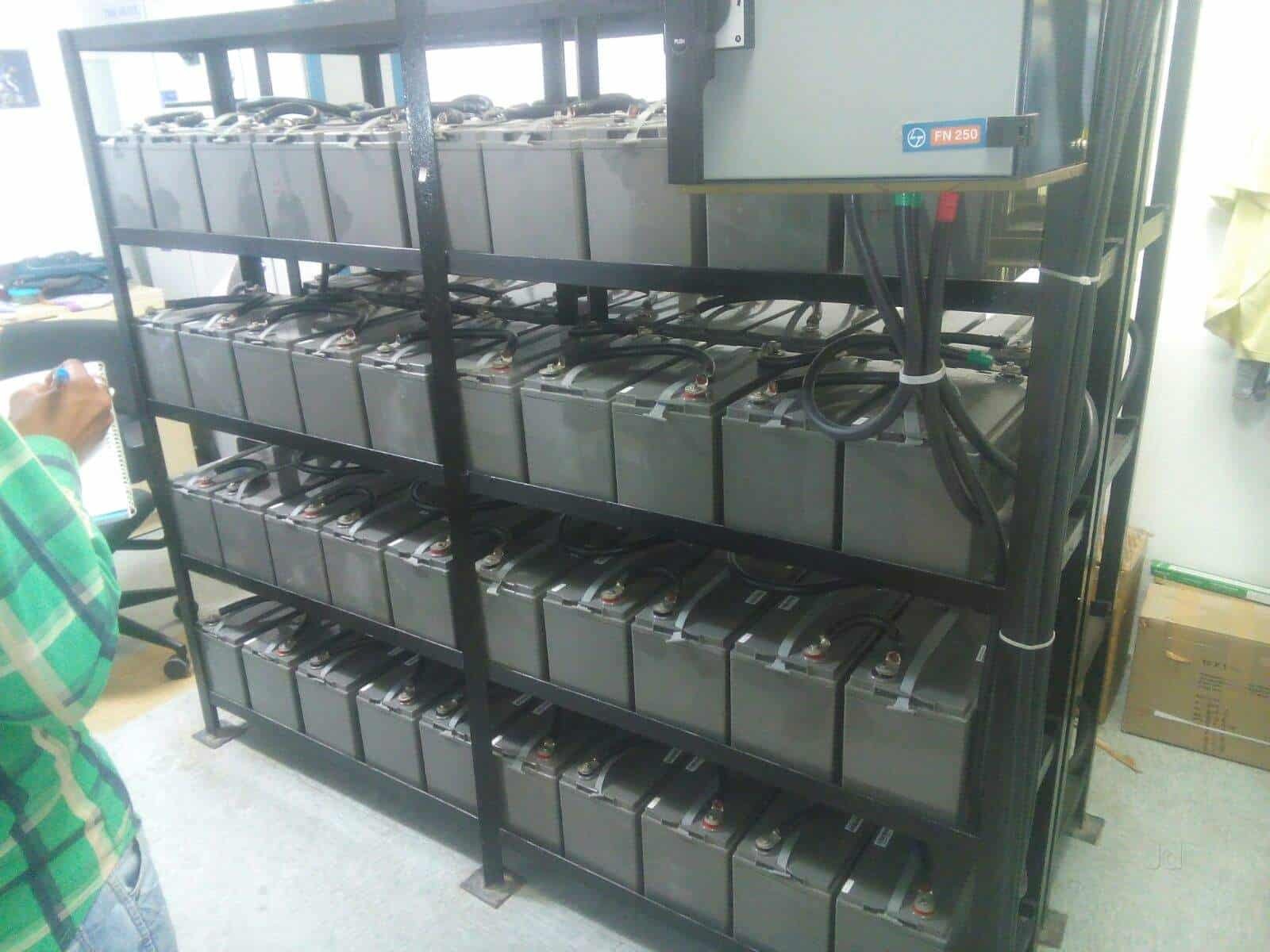
A certified process handles the same materials through controlled dismantling, and routes hazardous components (batteries, certain circuit boards, mercury-containing parts) through authorised handlers rather than informal extraction. The material recovery still happens — metals, plastics and glass still get separated and recovered — but without the uncontained pollution.
It's easy to assume this only matters at industrial scale, but individual households and small offices feed a lot of volume into informal channels simply by selling to the most convenient buyer. Choosing a certified collector for even a small quantity of e-waste is a real, if small, redirection away from that chain.