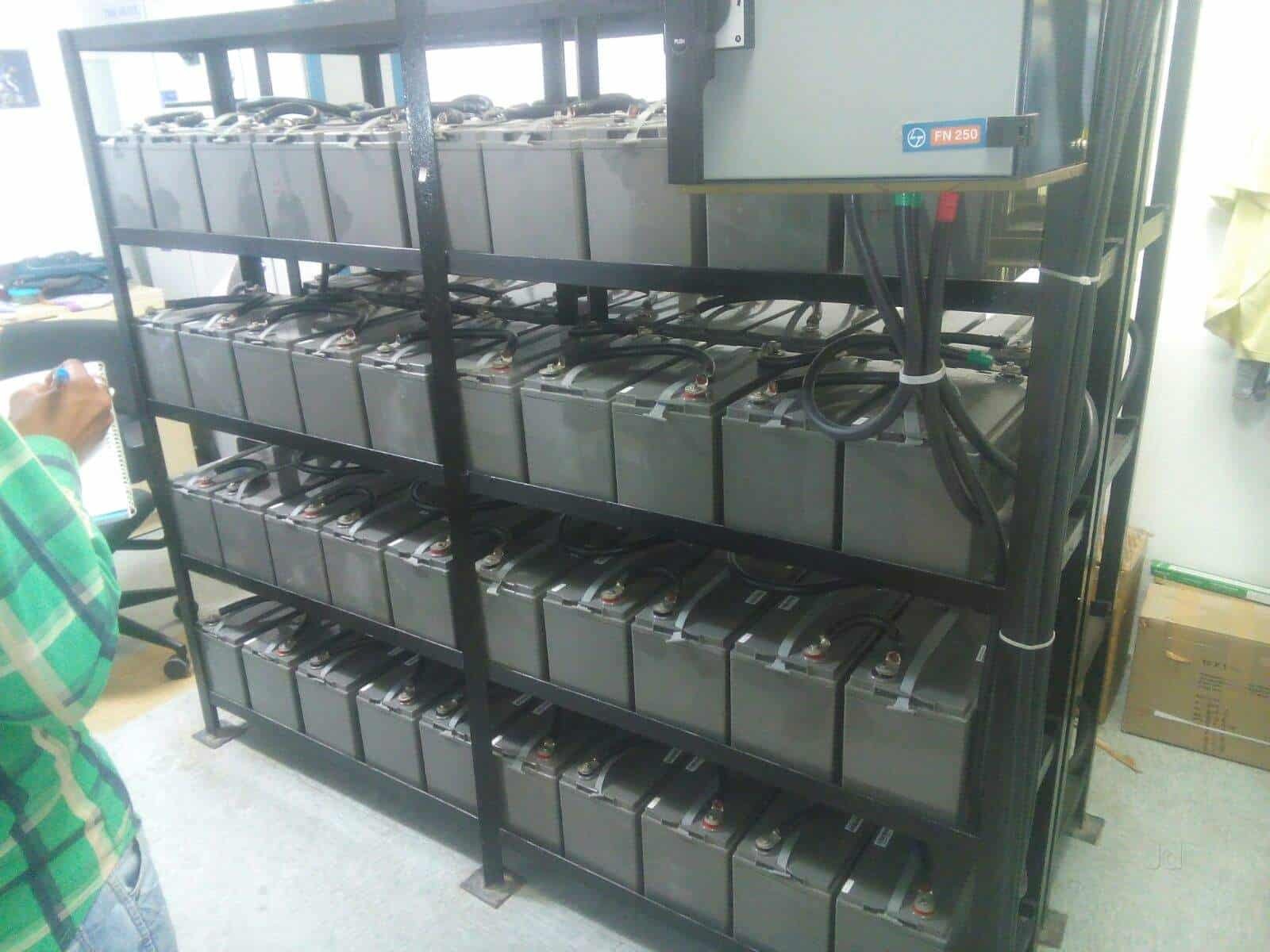

What to know about disposing of old batteries safely — from household batteries to UPS and industrial battery banks.
Batteries contain materials — lead, lithium, cadmium, and various electrolytes — that are genuinely hazardous if handled carelessly, and valuable enough to be worth proper recovery. They shouldn't go into general e-waste streams without being identified and handled separately.
India's Battery Waste Management Rules require producers and bulk consumers to ensure batteries are collected and recycled through registered recyclers, mirroring the EPR structure used for e-waste more broadly. For businesses running UPS systems or DG set battery banks, this means the same documentation discipline applies as with other regulated waste categories.
Never dispose of batteries with general waste or informal scrap. For anything beyond a handful of household batteries — a UPS bank, an office's accumulated battery stock — use a collector who can document quantity, type, and destination, the same way you would for any other EPR-relevant material.